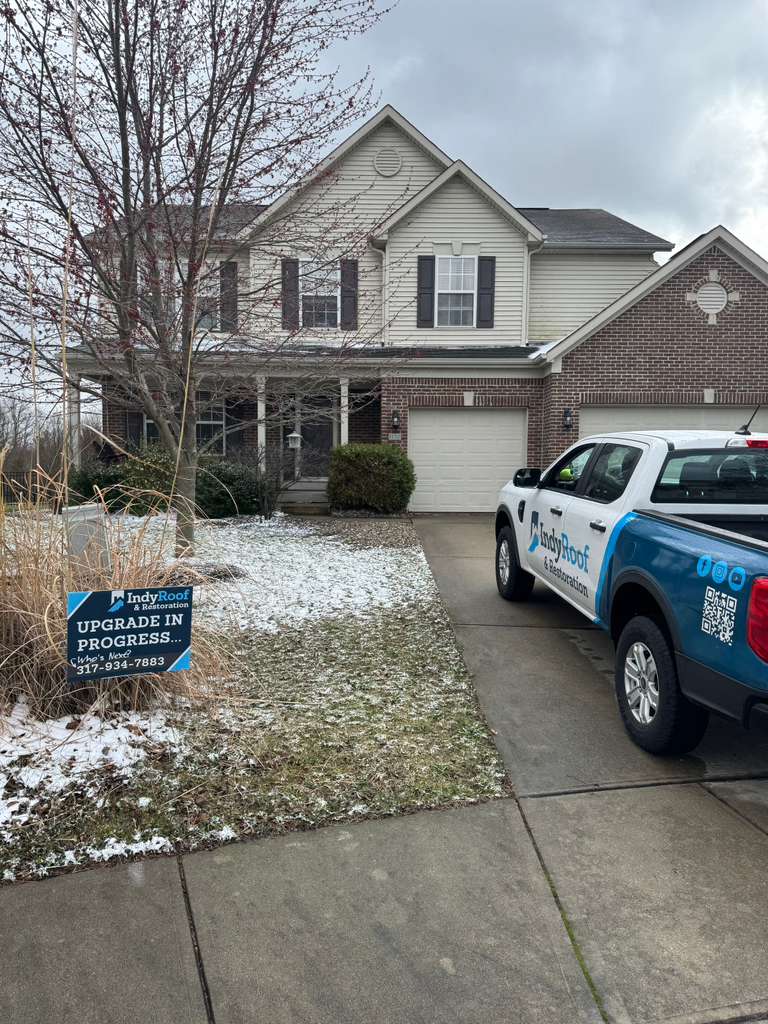
Brendonwood Roof Replacement Signs at a Glance
If your Brendonwood roof shows any of the signs below, it is worth a professional inspection. A single sign usually means a closer look. Several together almost always point toward replacement.
- Age over 18 years on asphalt shingles, regardless of how it looks
- Heavy granule loss with bare spots, or handfuls of granules in the gutters
- Curling, cupping, or clawing shingles visible from the ground
- Missing shingles across multiple slopes, or shingles that keep coming off after routine wind
- Interior ceiling stains that appear after heavy rain
- A sagging roofline visible from the curb
- Daylight through the roof deck seen from inside the attic
- Mold or mildew in the attic or on upper floor ceilings
Shingle Lifespan and Replacement Windows
Age is the single most reliable signal, because asphalt fails on a fairly predictable timeline whatever the surface looks like. Here are the service lives we plan around for Brendonwood homes.
| Material | Expected Service Life | Typical Replacement Window |
|---|---|---|
| 3-tab asphalt | 15 to 20 years | Years 13 to 18 |
| Architectural (laminated) | 25 to 30 years | Years 20 to 28 |
| Class 4 impact resistant | 30 to 40 years | Years 25 to 35 |
| Premium designer | 30 to 50 years | Years 28 to 45 |
| Standing seam metal | 50 to 70 plus years | Years 45 to 65 |
If you know roughly when the roof went on, the age column usually tells you whether you are in normal service life, getting close, or past due. If you bought the home and do not know, the install date is often in your purchase inspection report, in the permit record, or readable from shingle wrappers and dates in the attic.
What Each Warning Sign Actually Means
Not every sign carries the same weight. This is how we triage them when a Brendonwood homeowner describes what they are seeing.
| Sign | What It Usually Indicates | Urgency |
|---|---|---|
| Active interior leak | Water has already passed through every layer | Immediate |
| Sagging roofline | Rotted decking or a structural problem below | Immediate |
| Daylight in the attic | Physical holes water and pests can use | High |
| Bare spots in the field | UV now hitting the asphalt mat directly | High, plan replacement |
| Widespread curling or cupping | Whole roof aging, repairs will not hold | Plan replacement |
| Repeat missing shingles | Sealant strips failing across the roof | Plan replacement |
| Age past the window | System nearing end of life together | Inspect this year |
Repair, Monitor, or Replace
One of the most useful things we can tell a Brendonwood homeowner is which bucket they are in. A few signs in one area often means a targeted repair. Signs across two or more areas usually means the math has shifted toward replacement.
- Monitor: minor granule loss, slight fading, the occasional shingle off after a severe storm on an otherwise sound roof.
- Repair: an isolated leak, a single failed boot or flashing, a small missing patch on a roof with real life left.
- Replace: widespread shingle deterioration, multiple leaks, major granule loss with bare mat, a sagging deck, or damage that keeps coming back.
The Visual Signs From the Ground
Four signs show up clearly from the yard and tell us most of what we need before anyone climbs. Granule loss is the first: a moderate amount is normal, but bare patches where the black asphalt mat shows through mean the protective layer is gone there and UV is now degrading the shingle directly. Curling, cupping, and clawing are the second, where edges lift, centers dip, or edges curl downward, all signs the shingle has lost its grip against wind and water. Missing shingles are the third, and the pattern matters more than the count, since repeat losses across slopes point to sealant failure rather than one bad storm. The fourth is a sagging roofline, which we never treat as cosmetic, because it points to trouble in the decking or structure below.
What the Attic Reveals
The attic is the most revealing place most homeowners never look, and it is safe to check from inside on a sunny day. With the lights off and your eyes adjusted, scan the underside of the deck for points of daylight, which mean physical holes. With the lights on, look for dark staining around vents, chimneys, and valleys, for insulation that is flattened or damp rather than fluffy and dry, and for any mold on the deck or framing. Damp insulation and staining mean water has been getting in, and mold means it has been getting in for a while. These signs often appear before anything shows on a ceiling.
When a Young Roof Looks Old
Sometimes a Brendonwood roof shows heavy wear well before its age would explain it, and the cause is almost always under the shingles rather than in them. Weak attic ventilation is the usual culprit, since trapped heat bakes the shingles from below and takes years off the roof. Poor original installation is the other, from improper nailing to skipped ice and water shield. This matters because a new roof laid over the same problem buys the same early failure again, which is why we look for the underlying cause and fix it as part of the work.
Two Signs People Often Miss
Two quieter signals are worth adding to the list. Rising energy bills with no other explanation can point to an attic that has lost its thermal balance, which often travels alongside an aging, poorly ventilated roof. And ceiling discoloration that appears after heavy rain and then fades is active water entry rather than a stain that dried for good, since the damage between visible episodes is often the part doing the harm. Neither is proof on its own, but both are worth a closer look on an older Brendonwood roof.
Remaining Life at a Glance
When we estimate where a roof stands, the result usually falls into one of these bands, which maps cleanly to what we recommend.
| Remaining Life | Condition | Recommendation |
|---|---|---|
| 15 plus years | New or like new | Routine maintenance only |
| 8 to 15 years | Mid service life | Targeted repairs as needed |
| 3 to 8 years | Approaching end of life | Budget for replacement |
| Under 3 years | End of life | Schedule replacement |
| Active failure | Leaking or failing now | Replace before more damage |
These bands are estimates from condition, not guarantees, and the honest figure for your roof comes from a real look at granule loss, shingle flexibility, and the attic, which is what a free inspection provides.
How to Check Your Own Roof Safely
You can gather most of this evidence yourself from the ground and the attic, no ladder required. Stand across the street in morning or late afternoon light and look at the roofline, the field, and the edges. Walk the perimeter with binoculars and check the shingle texture and the flashing at chimneys and vents. Then take a flashlight into the attic on a sunny day, let your eyes adjust with the lights off, and look for daylight through the deck, dark staining, damp insulation, and any mold. If what you find lands you in the replace bucket, or you simply want a second opinion, the next step is to bring in a professional. Brendonwood Roofing provides free inspections across Brendonwood and will give you a straight read on which bucket your roof is in.